AI solutions
Prevent downtime from defining your operation with a maintenance planning tool
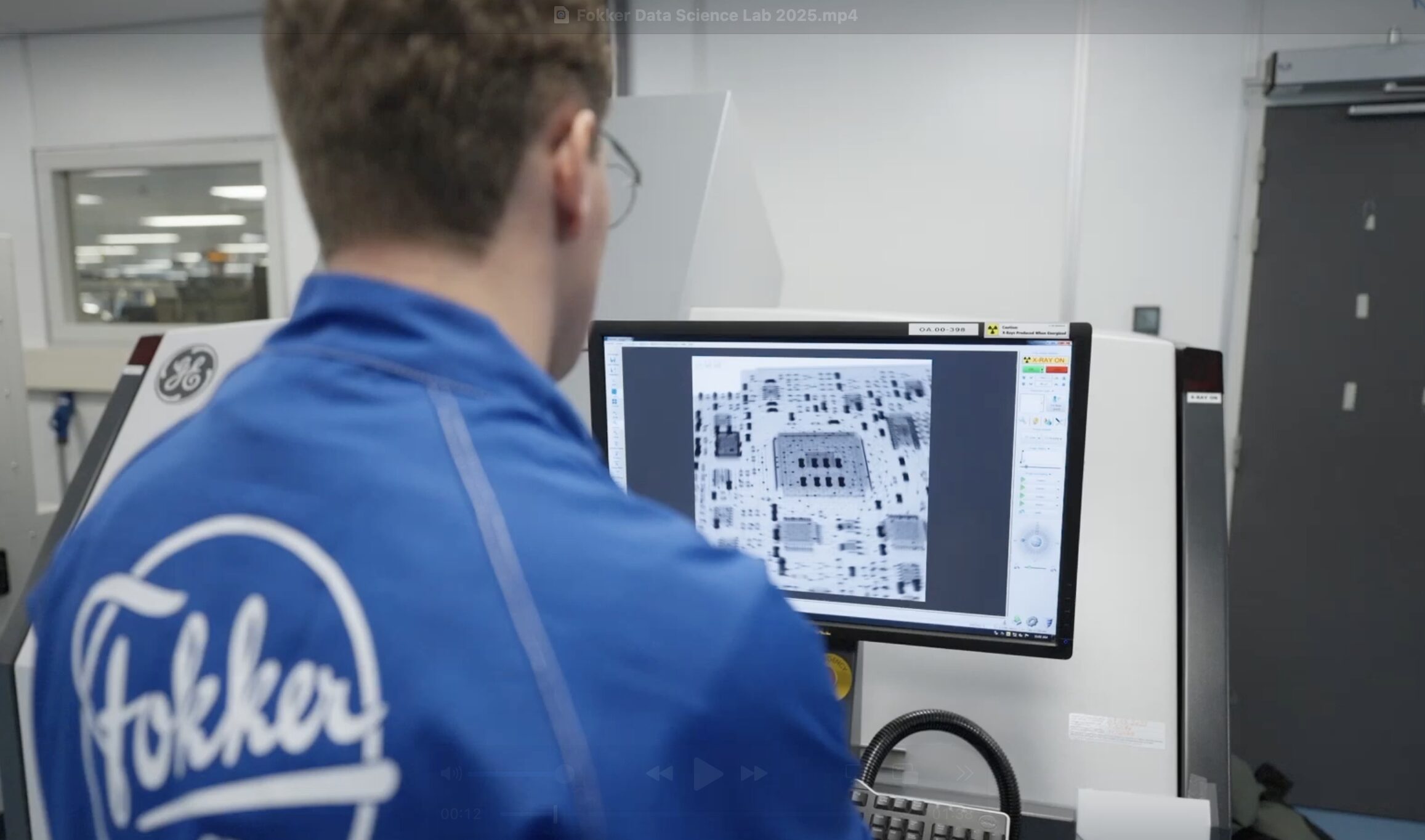












Burden of...
Your day doesn’t start with steering. It begins with responding.
A machine breaks down. The schedule has to change again. A team is waiting for parts or information that isn’t there. And you have to make decisions without a full understanding of what’s really going on.
Recognizable?
- Schedule to be continuously adjusted
- Maintenance done late or ad hoc
- Teams deployed inefficiently
- No integral understanding of machinery, capacity and maintenance
Consequence:
You lose capacity – and no one can pinpoint exactly where.
Steering instead of reacting
Most organizations try to improve scheduling by planning more tightly, organizing more consultations or putting in extra capacity. But that doesn’t solve the problem.
As long as data on machines, maintenance and capacity are disconnected, you keep reacting.
We bring those three together – and make your operation predictable.
What we build
A customized planning tool for your operation.
Not a generic software package. We build a data-driven planning tool that fits your machines, your processes and your people. The tool integrates with your existing systems and automatically translates data into a workable, predictable schedule.
Automatic maintenance scheduling
No more manual scheduling. Scheduling is generated data-driven based on priority, capacity and history.
Integral understanding of capacity
You can see at a glance where capacity is being lost - and make adjustments before things go wrong.
Less downtime, more output
Maintenance is done at the right time. Teams are deployed effectively. Operations run predictably.
How Fokker Services Group replaced downtime with predictability
Situation
At Fokker Services, the maintenance planning was jammed. Planning was largely manual, difficult to align with available capacity and reactively driven. Teams didn’t know what was coming. Decisions were made on assumptions, not data.
What we built
A data-driven planning tool that automatically schedules maintenance based on capacity, priority and historical data. Integrated into Fokker’s existing way of working – not replacing systems, but intelligence on top of them.
Result
- 95% less manual planning work
- 2 FTE saved
- €350K efficiency gains per year
But more importantly:
Planning became predictable. Teams knew what was coming. Steering was based on data, not assumptions. Operations went from reacting to directing.

“Despite the growing size and complexity of the project, the developers remained involved and solution-oriented with us. Because of this collaboration, we now have a specialized tool that we can confidently rely on every day.”
Here's how we approach it
We don’t start with a big implementation. We start with insight – into your operation, your data and where capacity is being lost.
Step 1 – Analysis
Together we map out where your planning, maintenance and capacity are now. Where is capacity being lost? What are the biggest disruptions? What data is available?
Step 2 – Building
We build a planning tool that fits your situation. Integrated with your existing systems. No replacement – intelligence on it.
Step 3 – Optimize
After going live, we make adjustments based on data from the operation. Your planning becomes sharper and sharper. Deviations become visible before they become problems.
Insight
Within weeks, you’ll have insight into where capacity is being lost. We build from there.
Wondering where you are losing capacity today?
Schedule a 30-minute no-obligation consultation. We’ll look at your operation together and show you where the biggest gains are – no strings attached.
Audit check
Westerdoksdijk 599/601
Peer to peer
"*" indicates required fields

FAQs
Brief explanation of the most frequently asked questions surrounding a custom planning tool.
Should we replace all our systems?
No. We work with the data and systems you already have. We add intelligence to that – not a replacement, but a layer on top of it.
What if our data is not yet in order?
This is true in most organizations. We start with an analysis of what is available and build from there. Perfect data is not a prerequisite for getting started.
How long does it take before we see results?
Insight into where capacity is being lost is already emerging within weeks. The first version of the planning tool is usually live within a few months.
Is this appropriate for our organization?
If downtime costs you money directly and planning requires a lot of manual work, chances are good that it fits. We’ll test that together in an initial meeting – no strings attached.
Do you also work outside of aviation?
Yes. Fokker Services Group is an example, but we work with organizations in transportation, infra, manufacturing and fleet management. The issues are cross-sectoral.